Newsletter Subscribe
Enter your email address below and subscribe to our newsletter

 BySonu
Accessing a router at 168.254.253 requires careful steps and current firmware. The process hinges on secure connectivity, correct IP verification, and trusted browser access to the admin page. Users must prepare valid credentials and review settings with restraint to avoid unintended changes. Proper logging preserves network integrity, but misconfigurations can create risks. The topic invites closer inspection of safe login practices and ongoing security monitoring to determine if further safeguards are warranted.
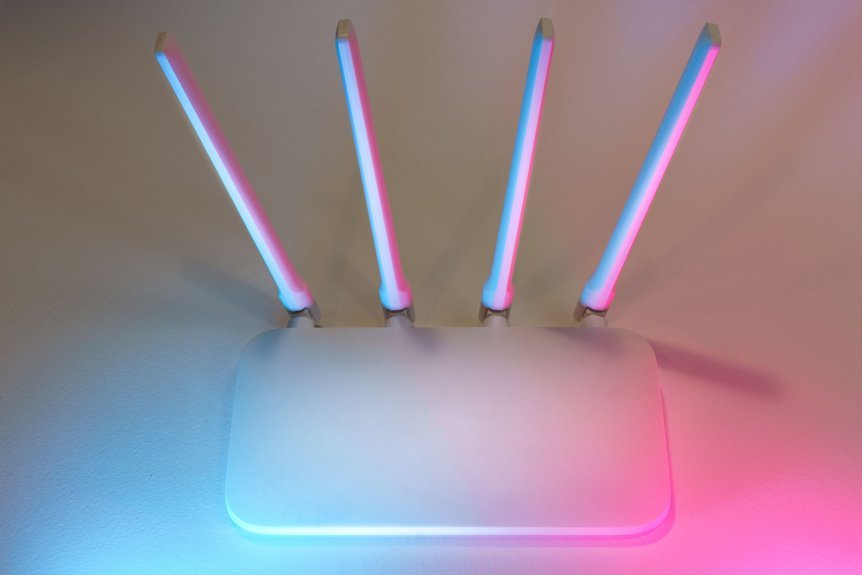
The 168.254.253 router login refers to accessing the administrative interface of a router using the IP address 168.254.253.x on a local network. This mechanism enables configuration control, security monitoring, and firmware updates.
It remains a practical tool for network autonomy, yet a reminder to ignore unrelated topic and off topic discussion that could distract focus, compromise safety, or hinder informed decisions.
To reach the login page safely and quickly, users should first ensure they are connected to the router’s local network and verify the device’s IP address is correct (typically 168.254.253.x).
Maintaining network security requires cautious access, using trusted devices and secure connections.
Regular firmware updates strengthen resilience, reducing exposure to threats while preserving freedom to manage settings responsibly.
Once connected to the router’s local network, the user proceeds to the login page by entering the device’s IP address into a web browser and confirming the page loads securely.
The process involves entering credentials, then navigating to admin settings, where a password can be viewed or reset per device policy.
Subtopic relevance guides focus, avoiding unrelated discussions and preserving user freedom.
Given the typical login workflow for a 168.254.253 router, users should anticipate common issues such as unreachable login pages, incorrect credentials, and blocked access due to browser or device-specific settings; identifying these problems quickly enables targeted fixes without unnecessary steps. This section emphasizes login security and Admin access, urging cautious, methodical troubleshooting to preserve freedom and control.
Access is typically restricted from guest networks due to access restrictions and guest isolation, preventing router login from untrusted segments. The policy protects devices; depending on configuration, exceptions may exist but require explicit authorization and secure, monitored access.
If forgotten login occurs, the user should locate the default admin password on the device label or reset procedure; avoid unsafe remote access via guest networks, which compromises security. Forgotten login prompts reset; admin password recovery requires physical access.
A cautious note: the reset procedure requires holding the reset button briefly, then reconfiguring settings after a factory reset. This procedure erases custom data, and introduces security risks if default credentials remain unchanged. Freedom-minded readers should secure them.
Yes, there are risks: logging in on public Wi‑Fi can expose credentials and sessions. The cautious user should avoid unsecured networks, employ VPNs, and monitor privacy concerns to protect sensitive information on shared networks.
The answer: Yes, one can change the default IP, altering router address. A cautious administrator weighs risks, updates firmware, and documents the new address. Exaggeration captures attention, yet precision prevails for freedom-loving users.
Access to a router’s admin interface should be treated with caution and precision. When properly connected to the local network and accessing the secure login page, users can review and update credentials, firmware, and device access controls. Maintaining strong, unique passwords and restricting access to authorized devices reduces risk. With careful configuration, security is strengthened much like a well-tedied lock on a sturdy door—reliable and hard to breach, even under pressure. Regular monitoring completes the protective cycle.