Newsletter Subscribe
Enter your email address below and subscribe to our newsletter

 BySonu
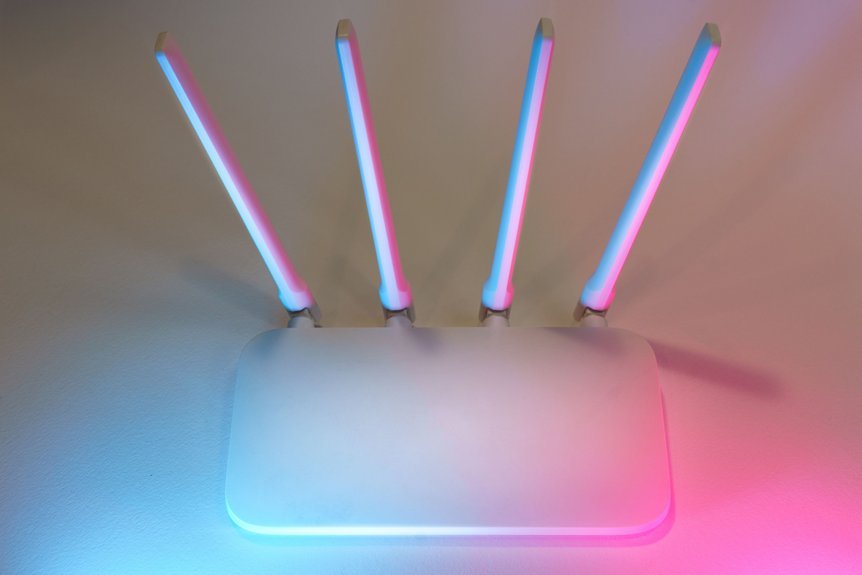
Accessing 168.220.1 is the initial step for router administration. The process centers on locating the correct gateway IP, locating the admin panel, and signing in with the device’s credentials. Variations in defaults and network setups can complicate entry. Once inside, credential security and firmware updates matter. The balance between accessibility and protection hinges on configuration choices made immediately and over time, inviting further scrutiny of best practices and recovery options.
168.220.1 refers to a private IP address commonly used as a local gateway forrouter administration within a private network. It denotes the entry point for device configuration, enabling controlled access paths and monitoring. Understanding its role enhances network security by restricting exposure to administrative interfaces. Regular firmware updates ensure resilience against exploits and maintain secure, stable operation of the gateway.
Access to the admin panel begins by connecting a device to the router’s local network and entering the designated gateway address into a web browser. The login page loads, prompting credential entry. After authentication, navigate to security settings methodically. Consider login panel ergonomics for efficient workflow and implement password management practices to minimize risk, preserving freedom and control.
Common default credentials and IP variations vary by model and firmware, making it essential to verify exact values for a given router.
Default credentials may include admin, admin, or none, while IP variations span 192.168.0.1, 192.168.1.1, and 10.0.0.1.
Documentation and device stickers confirm specifics; assume safe access.
Users should document credentials and note ip variations for recovery and reconfiguration.
To secure and optimize a router after login, the user should immediately change default credentials, disable unused remote access features, and enable strong encryption with up-to-date firmware. The practice emphasizes Secure Passwords and routine Firmware Updates, reducing exposure to exploits.
Regularly review port forwarding, enable automatic security alerts, and log activity. Precise configuration minimizes risk while preserving freedom and performance.
Yes, a reset is possible. The reset procedure returns the device to factory settings, erasing all credentials. A factory reset clears admin passwords and config, enabling new access; follow manufacturer steps to complete the reset safely and securely.
A restless navigator, the router, encounters a gate that won’t load; it seizes posts, but a reboot may restore passage. Investigate unrelated topic and tangential issue, check cables, DNS, firmware, or alternative login paths, then proceed.
168.220.1 applicability does not universally cover all router brands; applicability varies by manufacturer and device. In general, the specific IP login page is brand-dependent, so router brands determine whether 168.220.1 applies to access configuration.
Remote access security requires enabling VPN or SSH tunnels, disabling easy port exposure, and enforcing admin panel authentication with strong credentials and MFA. The system should restrict remote IPs, monitor logs, and use encrypted channels for admin access.
Yes, there are security risks with default credentials, including easy device compromise. Default credentials should be changed promptly; otherwise, attackers exploit known defaults. Insecure configurations undermine access control and elevate risk, hindering user freedom and network integrity. Anachronism: dial-up.
Concluding from the guide, traffic to 168.220.1 mirrors a broader pattern: gateways connect us to internal control with external ambiguity. A device’s default login, once discovered, invites both management and risk, depending on diligence. The coincidence is plain: strong credentials, firmware updates, and closed remote access align with security outcomes as reliably as a router aligns to a network. Properly managed, the admin panel becomes a predictable control point amid the unpredictable internet.