Newsletter Subscribe
Enter your email address below and subscribe to our newsletter

 BySonu
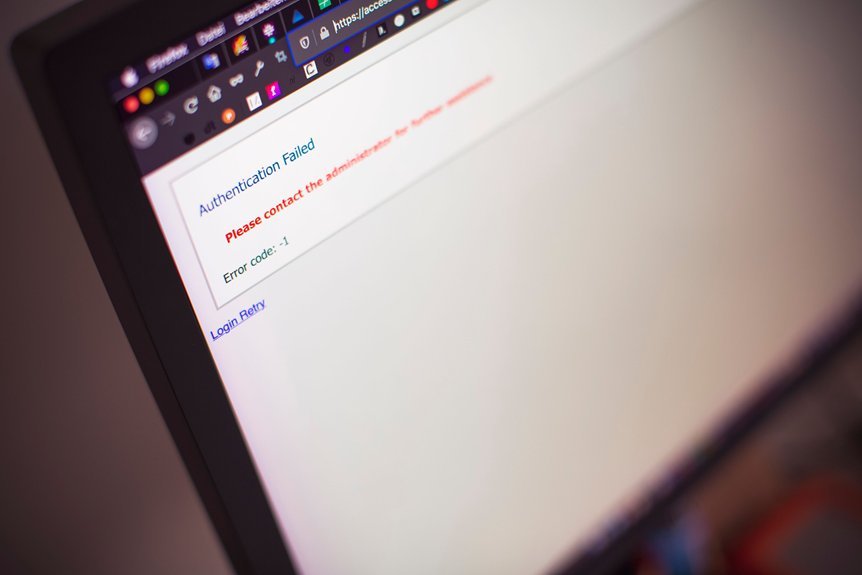
Access to the 192.168.1.1 login page and its variations is a common network task with potential barriers. This guide outlines core checks, standard steps to reach the admin panel, and brand-specific fixes. It emphasizes correct addresses, active connections, and secure credentials, alongside routine troubleshooting like cache clearing and firmware updates. The methods are precise and cautious, designed to minimize risk. The procedure may vary by device, and potential issues warrant careful, stepwise consideration before proceeding. What angles merit closer scrutiny next?
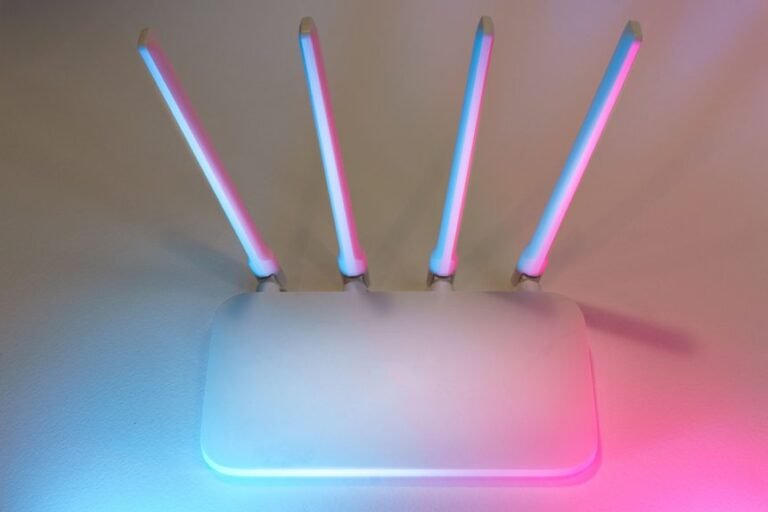
The 192.168.1.1 login is the default gateway configuration interface used by many home broadband routers. It allows access to essential settings and monitoring, establishing a controlled entry point for network management.
Understanding connection basics clarifies traffic flow and device provisioning.
Consideration of security implications ensures restricted access, robust authentication, and reduced exposure, aligning with freedom through safer, informed connectivity.
Many users encounter login roadblocks after identifying the 192.168.1.1 portal as the gateway to router settings; addressing these obstacles often involves a concise set of checks. These quick verifications emphasize network security and privacy by design: confirm correct URL, verify device is on the network, disable VPNs, clear cache, restart modem, and ensure firmware is current, then retry with calm precision.
Accessing the admin panel on common routers follows a standardized sequence: determine the correct 192.168.x.1 address for the device, verify the connection to the router’s network, and enter the appropriate credentials at the login page.
This procedure emphasizes careful verification, token security, and disciplined access.
two word discussion idea, two word discussion idea.
When addressing the most popular routers, brand-specific troubleshooting provides targeted fixes for common failures, firmware quirks, and configuration conflicts.
The approach emphasizes cautious steps: verify connections, inspect indicators, and confirm credential integrity before modifications.
Maintain strong network security practices, document changes, and apply firmware updates judiciously.
This method reduces risk while preserving user freedom and confidence in device resilience.
If 192.168.1.1 won’t load, the device may face network security or compatibility issues; troubleshooting suggests checking connectivity, rebooting router, ensuring device compatibility, updating firmware, and verifying browser settings while maintaining cautious, structured steps for user freedom.
Yes, it is possible with limited connectivity. The answer discusses login strategies that tolerate fluctuations and suggests offline-ready steps. It emphasizes network reliability, cautious steps, and a precise structure for an audience seeking freedom. Hyperbole leads.
To reset the router to factory settings, locate the reset button and hold it briefly; then access the default credentials. Afterward, perform a firmware update and reset password to secure the device, ensuring ongoing configuration flexibility.
One interesting statistic notes 70% of users overlook secure connections on public networks. Safe login practices are essential: use public networks cautiously, enable session security, prefer WPA2 protection, and avoid sensitive transactions on untrusted hotspots for freedom.
Access to 192.168.1.1 can be blocked by browser compatibility issues and misconfigured device authentication. The analysis emphasizes testing multiple browsers, enabling JavaScript, clearing caches, and ensuring compatible security settings for reliable access.
In the end, the path to your router’s admin panel remains within reach, but not without caution. Each step—address, connection, credentials, and updates—carries a hinge of risk and reward. As you proceed, a single misstep could grant access to the wrong hands or lock you out. Yet careful, methodical action promises clarity: the firmware hums back to life, settings settle, and the network’s edge becomes secure—awaiting your next deliberate move.