Newsletter Subscribe
Enter your email address below and subscribe to our newsletter

 BySonu
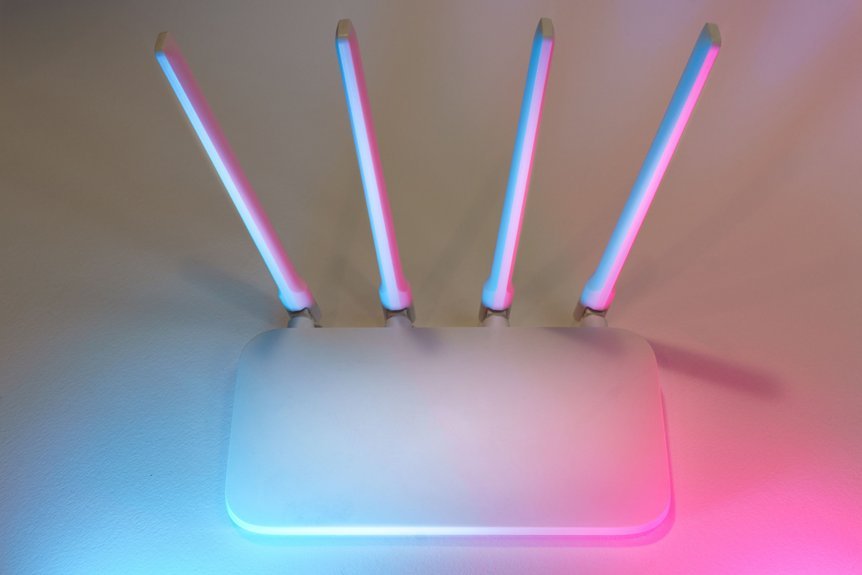
Accessing the 168.0.30 router requires first locating the default login address and credentials, then securing the session for ongoing administration. The guide outlines how to reach the admin panel, verify HTTPS, and replace weak defaults with strong, unique passwords. It also covers quick steps to rename the network and set a robust WPA2/WPA3 key, plus practical fixes for common login problems. For persistent access and hardened security, there are details that warrant careful consideration before proceeding.
Determining the default login details for the 168.0.30 router involves identifying the standard IP address, username, and password that ship with the device.
The administration access typically uses 192.168.0.1, admin, and admin or a label on the router.
This data supports configuring disabling firewall, updating firmware, and safeguarding network freedom through informed choices.
To access the admin panel securely, users should connect over a trusted network and verify the device’s address before logging in. The procedure emphasizes strong authentication, encrypted sessions, and hardware verification to prevent interception. Maintain minimal exposure by disabling unused services. Avoid distractions such as unrelated topic or off topic elements; focus remains on secure access controls, logging, and integrity checks.
Changing the Wi‑Fi name (SSID) and password is a straightforward, security‑focused step in the router’s Quick Setup.
The process supports idle customization while maintaining network integrity.
Use the admin interface to rename the network and set a strong password, then save changes.
Afterward, verify connectivity and apply firmware updates to preserve compatibility and protection.
Login issues with the 168.0.30 router commonly stem from incorrect credentials, network conflicts, or browser cache problems.
Troubleshooting focuses on verifying Login credentials, clearing cache, and testing different browsers or devices.
Ensure admin panel security by updating default passwords, enabling HTTPS, and disabling remote administration.
Documented fixes include reentering credentials, rebooting the router, and checking for firmware updates.
Yes, it is possible; the reset procedure can be performed while preserving firmware. The guidance emphasizes firmware preservation, and recommended steps include a backup restore, ensuring configuration and bootloader integrity remain intact during the reset process.
To enable IPv6, the router firmware update must be current; access the admin panel, locate IPv6 settings, and enable native or tunneled IPv6 as supported. Ensure firmware update completes before applying changes for optimal reliability and security.
Approximately 54% of routers offer guest network isolation, and yes, the 168.0.30 supports guest network isolation. To enable, check firmware update notes; if available, update firmware to access enhanced guest network and isolation options.
Backup settings should be saved via the router’s administration interface, then stored securely. To revert, select restore defaults; subsequent firmware should be backed up as backup firmware and can be restored via the firmware restoration option, restoring firmware when needed.
Accessing the admin panel from WAN is typically blocked; the device enforces local-only access. If enabled, it undermines access control, complicates firmware updates, and invites exposure. Security-minded administrators disable WAN admin and rely on VPN for access.
In summary, securing the 168.0.30 router starts with correct default-credential awareness, then rapid transition to strong, unique authentication and encrypted access. The admin panel should be accessed over HTTPS, with remote management disabled unless needed, and firmware kept current. If issues arise, methodically clear cache, reboot devices, and pursue updates before reattempts. This disciplined workflow serves as a keystone; neglecting it undermines the entire network, like a keystone that, if loosened, collapses the arch.