Newsletter Subscribe
Enter your email address below and subscribe to our newsletter

 BySonu
lp192.168.8.1 login errors can block access to the router’s admin panel. Incorrect credentials, cached sessions, or outdated firmware often trigger failures, while messages like “Login failed” or “Page not found” hint at permission issues or a different local IP. The situation requires careful verification, cache clearing, and potential credential reset. A safe, methodical approach follows, with steps to regain control and prevent repeats, leaving the user with a clear path forward and a reason to proceed.
lp192.168.8.1 login refers to accessing the router’s administrative interface via the local IP address 192.168.8.1. The act represents direct control over device settings, but failures occur from mistyped credentials, cached sessions, or blocked access.
Causes include outdated firmware and security blocks. Understanding lp192.168.8.1 access practices aids network security, reducing router login failures while preserving freedom.
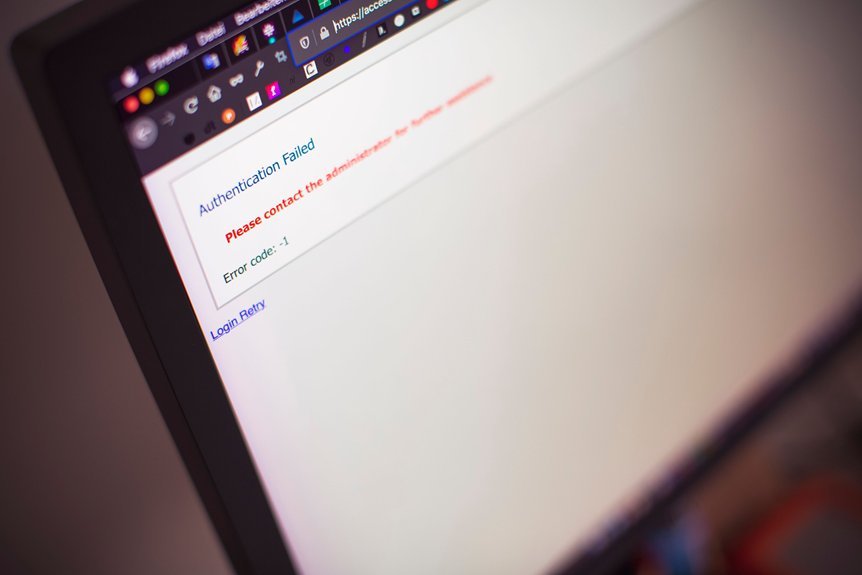
Common error messages during lp192.168.8.1 login provide quick diagnostic insight into why access fails. “Login failed,” for example, typically indicates incorrect credentials, a mismatched username or password, or caps lock interference.
“Page not found” or a blank screen usually points to a blocked or misrouted connection, a router using a different local IP, or a browser compatibility issue.
These signals affect network access and device authentication.
Many common login issues can be resolved by a structured set of actions.
The guide presents a disciplined sequence: verify device connectivity, reset credentials, and reattempt login with updated firmware.
Speed optimization is addressed by closing unused applications and prioritizing router resources.
Hardware troubleshooting, such as cable inspection and port testing, ensures a stable path; verify indicators and logs to confirm access restoration.
To minimize future login issues and bolster network security, implement proactive access controls, regular credential hygiene, and continuous monitoring.
The approach emphasizes resilient user authentication, layered defense, and least-privilege permissions.
Regular firmware updates and secure configurations reduce exposure.
Audit trails aid incident response, while strong password policies and MFA deter intrusions.
Freedom-minded deployment balances usability with robust network security and reliable user authentication.
Yes, mobile access is possible. The device can use a web browser to perform router login; ensure device compatibility, correct URL, and network troubleshooting steps. The user should maintain security while accessing the router from a mobile device.
Yes, an ISP can influence lp192.168.8.1 access issues via routing, latency, or NAT; device responsiveness may be affected. The situation benefits from low communication latency and timely firmware updates to preserve reliable local access.
Default credentials are not the only login option; some routers support user-created accounts, token-based access, or guest modes. The two word discussion ideas remain distinct, while subtopic unrelated to others appears as a separate consideration for security.
VPN routing can improve lp192.168.8.1 login reliability by masking origin, yet potential IP leakage may undermine authentication. The system remains sensitive to VPN behavior, with intermittent blocks or timeouts depending on routing, firewall policies, and device trust.
Coincidence suggests yes: router hardware failures can mimic login errors at lp192.168.8.1. The analysis covers Router firmware, Access protocols, Reset procedures, and Wireless interference, explaining symptoms and diagnostic steps for freedom-seeking technicians.
Careful connection checks and concise clearing of credentials capably cure common complications. Clear, calm contemplation cures clumsy confusions: caching, incorrect credentials, or careless caps lock. Consistent care creates confident access, countering chaotic crashes. By updating firmware, resetting defaults, and verifying local IPs, users prevent perplexing problems. Preventive practices provide persistent protection, prompting precise prompts and prompt reattempts. Proactive precautions produce productive, problem-free performance, presenting secure, seamless networking.