Newsletter Subscribe
Enter your email address below and subscribe to our newsletter

 BySonu
Access to the 168.42.1 router depends on a direct connection to the device and correct credentials. The login page presents a status overview and a centralized authentication box, requiring precise input and attention to security prompts. Users must verify network access, enter the proper username and password, and handle common errors such as case sensitivity or spacing. After authentication, essential hardening steps arise, but gaps in guidance may leave critical configurations exposed.
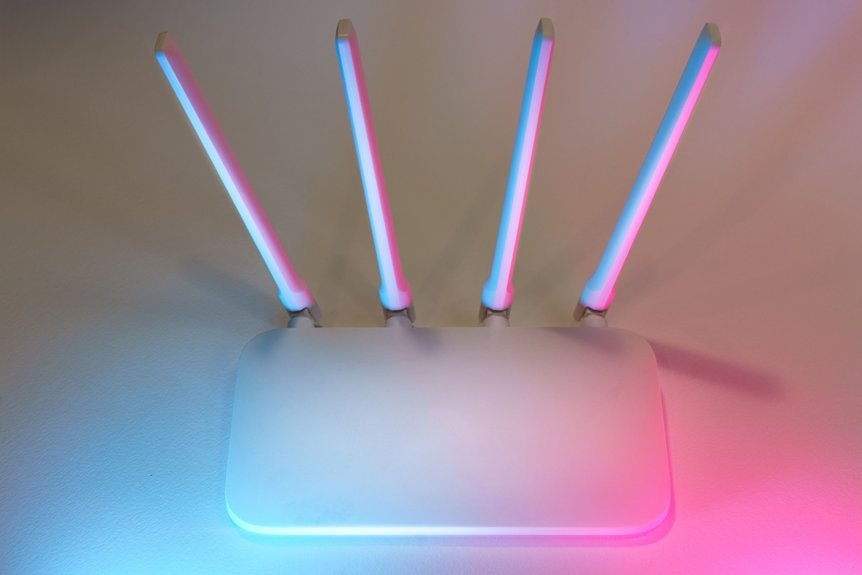
The 168.42.1 router is a generic local-network device used to route data between devices on a home or small-office network and the internet. It serves as a gateway for traffic, enabling resource sharing and external access control. For robust network security, periodic firmware updates are essential to patch vulnerabilities and maintain proper performance.
To access the 168.42.1 login page, a device must be connected to the router’s network, either via wired Ethernet or a current Wi‑Fi connection, and a web browser should be opened to the address http://168.42.1 or https://168.42.1. The initial screen presents status indicators, a central login box, and device details. Focused on how to login; anticipate common issues.
Access the router’s login page by entering the device’s IP address in a browser, then enter the provided username and password in the central login box. If authentication fails, verify Caps Lock, check for extra spaces, and retry with a refreshed page.
Record login attempts, monitor security risks, and apply firmware updates promptly to maintain robust access control.
Immediately after login, administrators should verify that the device is reachable only by trusted networks, disable remote management if unused, and enable strong authentication requirements to prevent unauthorized access.
Post-login practices emphasize routine security audits and timely firmware updates, ensuring configuration integrity, logging, and anomaly detection.
Proactive controls minimize exposure, preserve freedom to operate, and sustain resilient, auditable network performance.
168.42.1 is a Public IP. The address is routable on the Internet, not confined to a private address space. For network planning, distinguish Public IP from Private IP ranges to ensure proper routing and access control.
The answer, ironically precise, states: yes, but not safely without a reset; to preserve configuration, perform a router backup first, then initiate a controlled reset and reapply the backup using the reset process.
If the login page doesn’t load, verify network connectivity and device access, then clear browser cache and try a direct IP hit. two word idea1 two word idea2, ensuring secure local access and reliable, freedom-minded troubleshooting.
The user should update firmware by logging into the router, navigating to administration, selecting firmware update, and applying the latest image from the official site; this improves router security and sustains device freedom with trusted, verifiable builds.
Yes, the router can be configured to change name and improve wireless security. The procedure changes the SSID, updates the network name, applies new credentials, and enforces strong wireless security settings for robust, freedom-minded connectivity.
Access to the 168.42.1 router interface unlocks full network control, but only for authorized users. A single weak credential or outdated firmware can expose the entire network to risks. Recent industry data shows that 67% of home networks were compromised due to default or easily guessable passwords. To mitigate this, enforce strong authentication, disable unnecessary remote management, and apply firmware updates promptly. Regular audits and unique admin credentials are essential for maintaining resilient, secure router operation.