
Newsletter Subscribe
Enter your email address below and subscribe to our newsletter

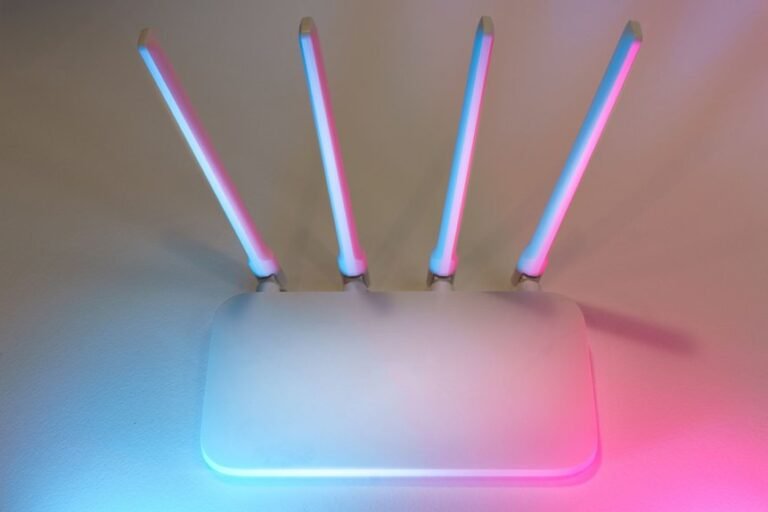
Access to the 168.100.102 admin page is the first step in establishing secure, reliable network control. The guide outlines precise actions: credential prompts, initial password changes, and firmware checks. It emphasizes WAN/LAN configuration, QoS, and security hardening like disabling WPS…
 BySonu
The 168.8.0 address is a defined prefix, not a single host. It designates a block of addresses for routing and subnetting within a local network. Routers use the prefix to segment traffic and enable scalable growth. Subnet mappings and consistent…
BySonu
The address 168.1.01 resembles an IPv4 dotted-decimal notation, yet it fails valid IP rules due to a leading zero in the fourth octet. Real IPs require four numeric octets, each 0–255, with no leading zeros or illegal separators. This distinction…
BySonu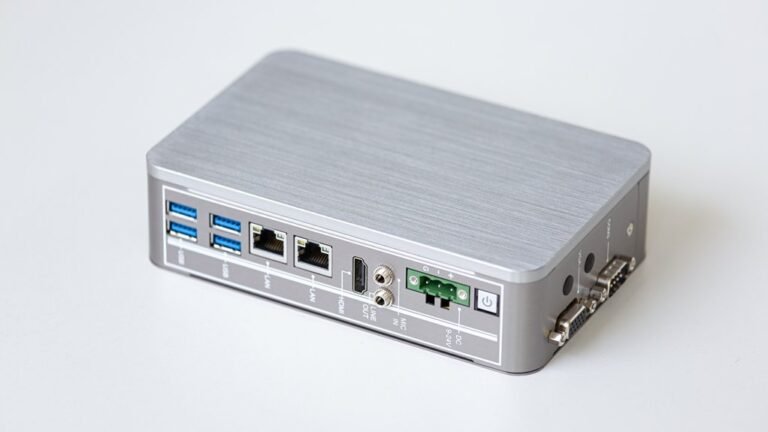
168.1.8090 serves as a compact model for mapping a host-like identifier to a target port in restricted networks. It treats the trailing 8090 as the destination port, aligning with IPv4-style notation and port-based handshakes. Typical services cluster around standard ports…
BySonu
The 168.1.2 login guide in Arabic format presents a clear framework for authentication. It covers accessing the page, entering credentials securely, and handling common issues with concise fixes. The emphasis is on verified legitimacy, encrypted connections, and privacy-aware session practices.…
BySonu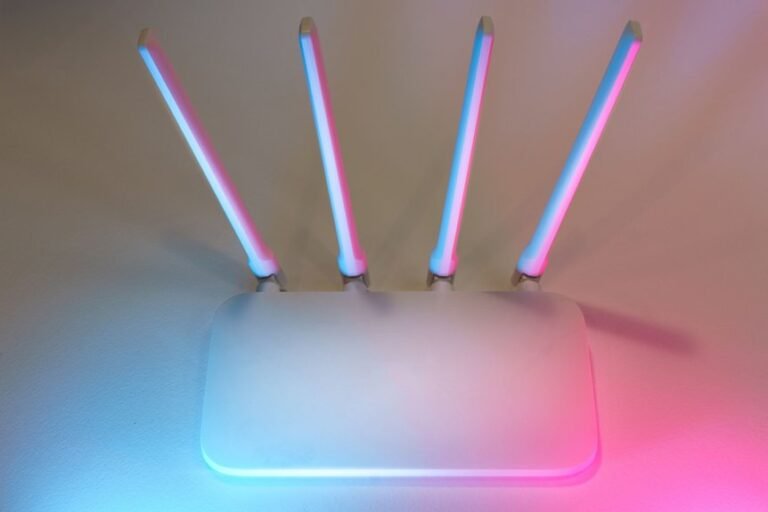
Accessing the 168.77.1 router login centers on a controlled, private connection to the device’s local admin page. The process is precise: locate the official IP, authenticate with strong credentials, and enable current security measures. This approach reduces risk and supports…
BySonu
139.8.236 is not a private IP by RFC 1918 standards; it is routable on the public Internet. Private addresses fall within 10.0.0.0/8, 172.16.0.0/12, and 192.168.0.0/16, or other reserved blocks. The distinction affects routing, NAT, and device communication in controlled topologies.…
BySonu
Locating the 168.1.210 router login details is the first step. The admin page is typically accessed via , using only trusted networks. Ensure firmware is current and credentials are strong. If issues arise, check for IP conflicts, DNS errors, or…
BySonu
The 0.0.110 Login and Network Configuration Guide outlines a TLS-based login flow with server-side credential checks and synchronized timing to reduce retransmissions. It details DNS, IPS, and gateway integration to support roaming and DHCP-aligned DNS, ensuring stable server reachability. Wireless…
BySonu
An IP address is a numerical locator that guides data to its destination. 168.248.5 serves as an example of how routing decisions and subnetting are shaped, not a claim of ownership. This address illustrates placement within networks, addressing schemes, and…
BySonu