Newsletter Subscribe
Enter your email address below and subscribe to our newsletter

 BySonu
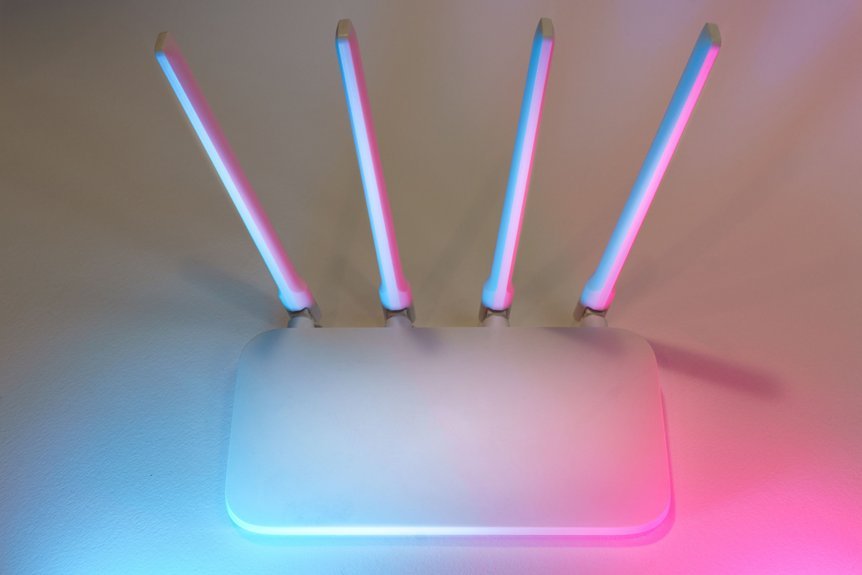
A clear process exists for accessing the 168.2.1 router interface. Start by identifying the device’s IP, typically 192.168.0.1, 192.168.1.1, or 192.168.2.1, and verify it with network tools. Then log in with valid credentials, enable strong passwords, disable default accounts, and apply firmware updates. After logging out, note ongoing security checks and maintenance tasks. The next steps reveal common pitfalls and practical tips that can prevent outages and protect the network.
To determine the IP address of a 168.2.1 router, start by checking common defaults: many models use 192.168.0.1 or 192.168.1.1, and 192.168.2.1 is also a possibility.
The process supports finding IP address and network discovery without ambiguity, guiding users through login steps and essential security tips while preserving a clear, precise, freedom-minded approach.
After locating the router’s IP address, users proceed to access the device’s login page by entering that address into a web browser. The login interface appears; enter credentials, then navigate to security settings. Enable strong passwords, disable default accounts, and update firmware. Log out after changes. Two word ideas, two word ideas. Maintain mindful access and privacy, avoiding unnecessary exposure.
Common login issues with 168.2.1 routers often arise from incorrect credentials, misconfigured network settings, or browser-related problems.
The guide emphasizes systematic checks: verify username and password, ensure device is on the correct network, clear cache, and try a different browser or device.
If problems persist, seek unrelated topic parallels or offbeat discussion for insight without compromising security.
Securing a router immediately after access is established requires a concise, methodical approach: verify firmware version, change default credentials, and enable core protections. The following steps emphasize durable defaults, regular updates, and proactive monitoring. No distractions, but decisive actions should be implemented. Irrelevant topics are ignored, focusing on essential security and maintenance duties to preserve long-term network integrity and user autonomy.
Yes, it can be done. The idea one involves a factory reset with preservation options, but beware; a topic swap may require reconfiguring settings. This unrelated tech approach suggests backing up first, then proceeding cautiously to avoid data loss.
Forgotten password, reset procedure: The administrator cannot recover it; a reset is required. Follow the router’s factory reset steps, then reconfigure settings. This preserves autonomy by reestablishing access with a new, secure password.
There is no official 168.2.1 router management mobile app; however, some devices offer mobile UI through vendor apps. App Notifications may alert status changes. For those seeking freedom, explore compatible third-party tools with caution and reliability.
Shadow whispers mark the answer: yes, the default DHCP range can be changed. The procedure involves navigating network settings, adjusting the DHCP scope, and saving. Ensure changing DNS and VPN setup parameters aligns with the new range for stability.
Firmware compatibility depends on model revisions and vendor guidance; check official release notes before updating. The guidance warns about update pitfalls, backups, and rollback options to preserve settings, ensuring freedom from bricking or feature loss during firmware upgrades.
Navigating a 168.2.1 router login is straightforward when the user sticks to standard IP checks, verified by network discovery, and secure credentials. This method minimizes downtime and reduces exposure to unauthorized access. A common objection—“it’s too complex for non-technical users”—is addressed by emphasizing simple steps: identify, log in, strengthen passwords, and update firmware. Regular reviews of security settings ensure ongoing protection and reliable device performance without adding unnecessary complexity.